The global energy landscape is undergoing a structural shift as the sustainable energy transition fundamentally alters the growth trajectories of the world’s largest oil companies. While the industry has historically relied on a linear model of hydrocarbon expansion, the transition toward carbon neutrality is forcing a reevaluation of what “growth” means for an oil major in 2026.
The Stalling of Traditional Oil Demand
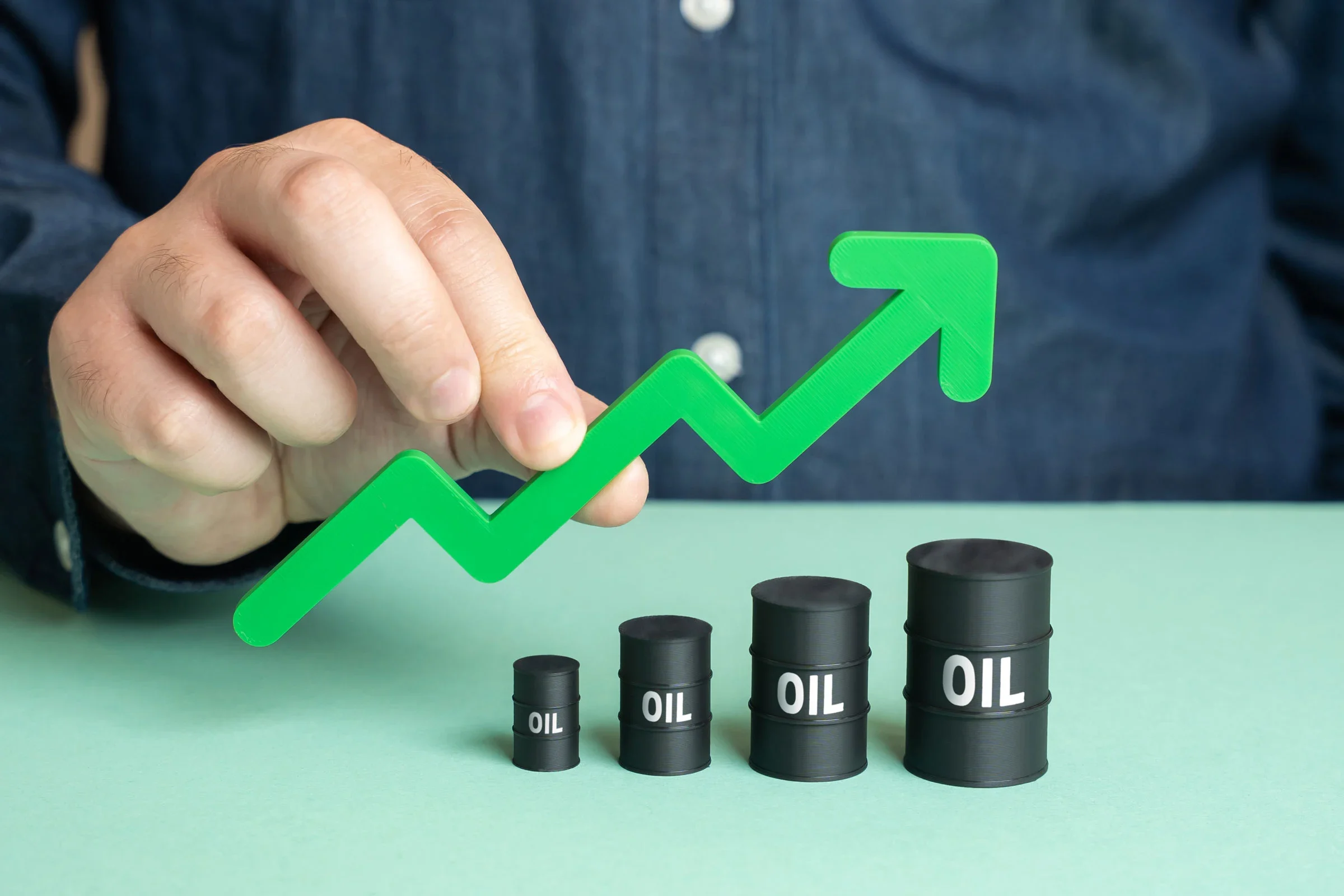
The era of unchecked oil demand growth is losing momentum. In 2024, global oil demand growth slowed to approximately 0.8%, falling below the pre-pandemic average of over 1%. This deceleration is driven by several key factors:
- Electric Vehicle (EV) Adoption: The surge in EV sales, particularly in China, is significantly curbing road transport oil demand.
- Energy Efficiency: Tighter vehicle efficiency standards and structural shifts in major economies like the U.S. and China are decoupling economic growth from oil consumption.
- Peak Demand Projections: Forecasts from the International Energy Agency (IEA) suggest that demand for combustible fossil fuels may peak as early as 2027.
Strategic Divergence: Leaders vs. Laggards
In response to these pressures, oil majors have split into two distinct strategic groups:
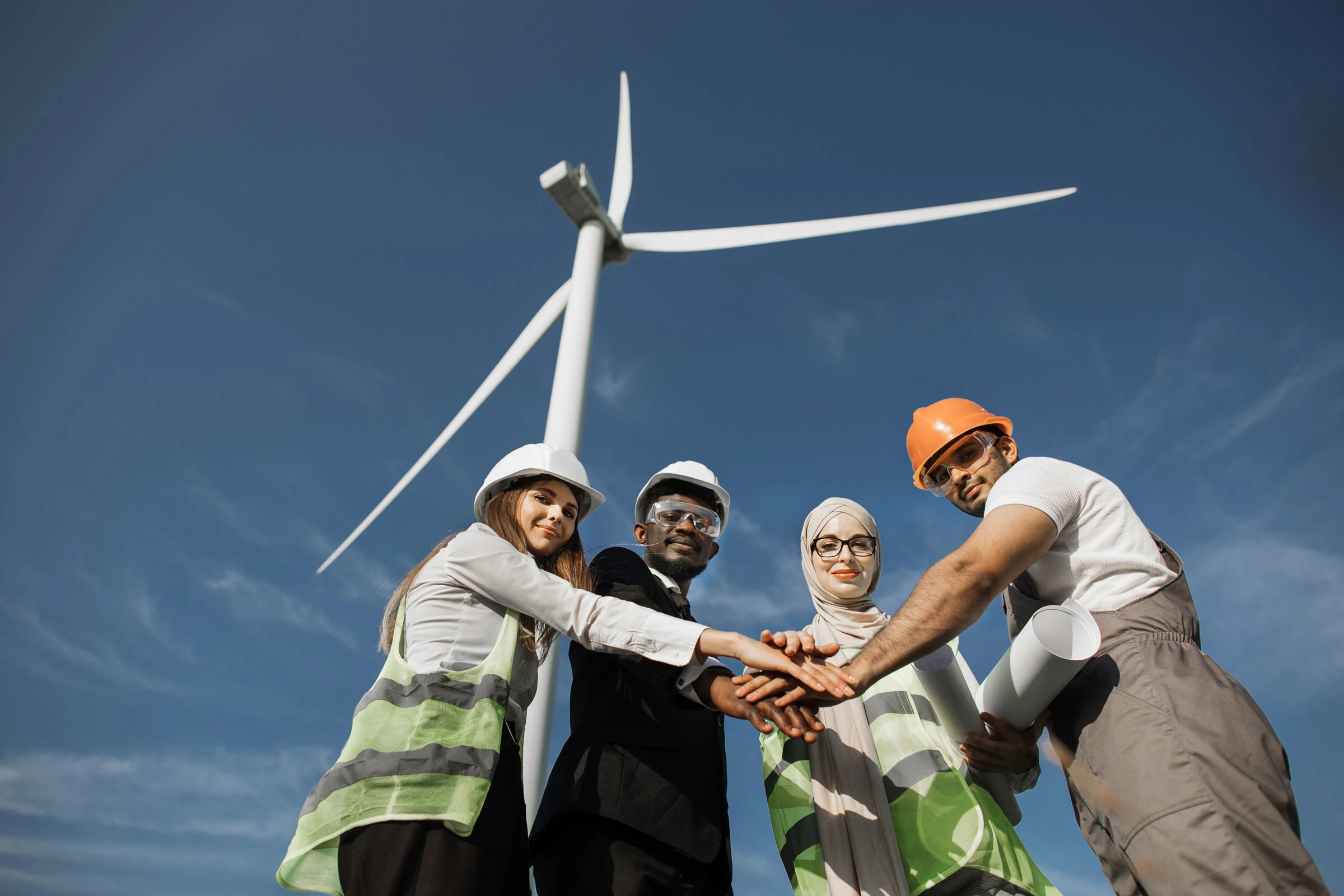
- Energy Transition Leaders: Companies like TotalEnergies, Shell, BP, Eni, and Equinor are rebranding as “broad energy companies”.
- Investment: These firms are aggressively diversifying into offshore wind, solar, green hydrogen, and EV charging infrastructure.
- Targets: TotalEnergies aims for 100 GW of renewable capacity by 2030, while BP targets 50 GW.
- Hydrocarbon-Focused Laggards: U.S.-based majors such as ExxonMobil and Chevron have maintained a more conservative approach, focusing on cleaning up their core operations through Carbon Capture, Utilization, and Storage (CCUS) and biofuels rather than massive pivots to wind or solar.
Financial Impacts and Market Resilience
The transition introduces a new set of financial risks and opportunities for global energy providers:
- Capital Allocation: While clean energy investment reached a record $2.2 trillion in 2025, oil majors still allocate a relatively small portion (roughly 12% in 2021) of their total capital expenditure to low-carbon activities.
- Oversupply Pressures: A significant global oversupply of oil is expected through 2026, putting downward pressure on prices and forcing executives to recalibrate investment plans.
- Economic Diversification for NOCs: National Oil Companies (NOCs) face the steepest challenges, as they often serve as the primary source of revenue for their governments. For these entities, the energy transition is inseparable from national strategies for economic diversification away from fossil fuels.
The Role of Natural Gas
Natural gas is increasingly positioned as a “bridge fuel”. Unlike oil, natural gas demand returned to structural growth in 2024, rising by 2.7%. Many companies are increasing their focus on Liquefied Natural Gas (LNG) to supply cleaner energy to countries transitioning away from coal while renewable infrastructure matures.
Ultimately, the growth of oil companies is no longer defined by how many barrels they can extract, but by how successfully they can integrate into a decarbonized energy system while managing the declining margins of their legacy assets.