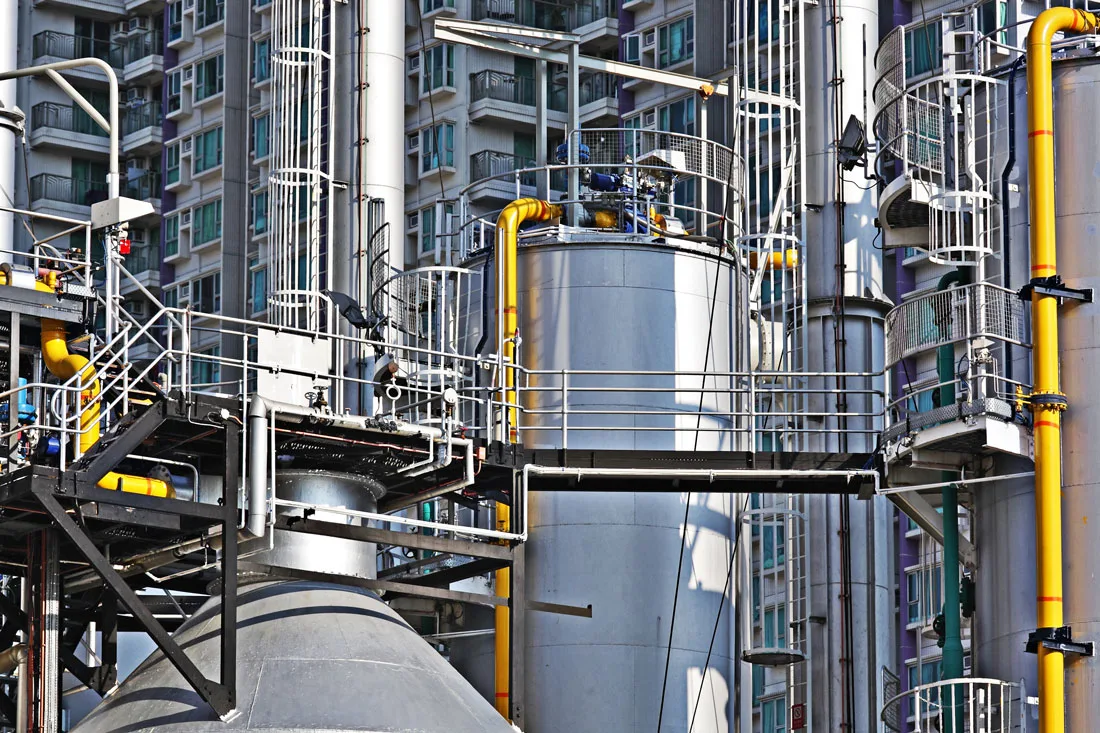
The global oil market is undergoing a structural transformation in April 2026, as a “refinery game” defines the new era of energy geopolitics. While crude oil demand remains high, the real leverage has shifted downstream to the processing plants that turn crude into usable fuel.
The Rise of New Refining Hubs
The landscape of global refining is tilting toward developing regions, particularly Africa, the Middle East, and Asia-Pacific, which are expected to account for 86% of new capacity through 2030.
- Nigeria’s Dominance: The Dangote Refinery has emerged as a global disruptor, scaling its jet fuel exports by 770% in two years. By April 2026, it reached a record 158,000 barrels per day (bpd), with Europe becoming a major buyer to de-risk from Middle Eastern volatility.
- Capacity Expansions: Nigeria is currently home to 109 upcoming oil and gas projects, with midstream ventures like the Dangote facility—which plans to eventually reach 1.4 million bpd—leading the charge.
- Global Projects: Significant net annual capacity growth of 708,000 bpd is projected for 2026, driven by expansions in India (IOC’s Gujarat and Panipat plants) and China (Saudi Aramco-backed Panjin complex).
Geopolitical Disruptions and Market Volatility
The current market is defined by extreme supply-side shocks rather than gradual demand shifts.
- The Iran Crisis: Ongoing conflict in the Middle East and attacks on energy infrastructure caused global oil supply to plummet by 10.1 million bpd in March 2026. This “most severe supply shock in history” saw Brent crude soar to around $130 per barrel.
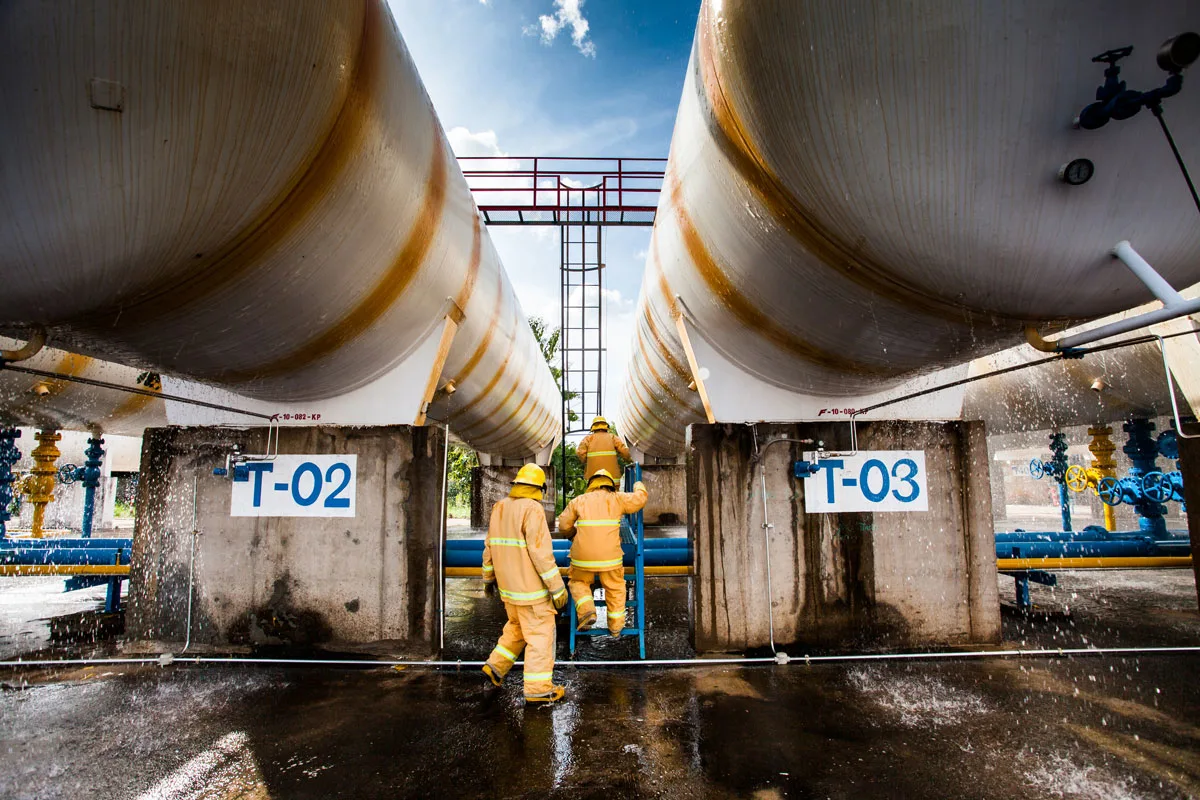
- Strait of Hormuz Closure: The effective closure of the Strait of Hormuz has choked off 21% of global seaborne jet fuel, forcing refiners to scramble for alternative sources like those in West Africa.
- UAE’s OPEC Exit: In a major policy shift, the UAE announced its withdrawal from OPEC and OPEC+, effective May 2026, seeking to increase production beyond the cartel’s limits. This move is expected to structurally weaken OPEC’s ability to coordinate global supply.
A Tightening Product Market
Despite new capacity coming online, the International Energy Agency (IEA) warns that global crude runs will decline by 1 million bpd on average in 2026 due to infrastructure damage and feedstock disruptions.
- Refining Margins: While throughput struggles, refining margins have surged as “cracks” for middle distillates like diesel and jet fuel reach all-time highs.
- Demand Contraction: High prices and economic uncertainty are curbing demand, with the IEA forecasting a 1.5 million bpd decline in the second quarter of 2026—the sharpest drop since the pandemic.
Future Outlook: Integration and Efficiency
To stay competitive, refiners are increasingly
integrating petrochemical operations to maximize the value of every barrel. Digital optimization platforms and advanced catalyst technologies are being deployed to improve yields and meet stricter environmental standards for cleaner fuels.
As mature markets in Europe and the U.S. face potential refinery closures due to high costs and the energy transition, the global market is consolidating around these new, highly efficient “mega-refineries” in the developing world.