The global oil and gas industry is undergoing a technological renaissance as conventional light oil assets deplete, pushing extraction toward more challenging unconventional resources and mature fields. By 2026, the transition from simple exploration to high-precision recovery is being driven by a synergy of artificial intelligence (AI), advanced seismic imaging, and smart drilling technologies. These innovations are not just identifying new reserves; they are drastically improving the efficiency of Enhanced Oil Recovery (EOR) methods, often increasing recovery factors by 10% to 20% compared to conventional techniques.
The AI Revolution in Subsurface Characterization
Artificial Intelligence has moved from experimental to foundational in 2026, offering unprecedented accuracy in reservoir modeling.
Multimodal Data Integration: Modern frameworks now integrate seismic images, geological maps, and real-time drilling logs to forecast shale gas and oil production with high reliability.
Seismic Resolution Gains: High-frequency and ultra-high-resolution seismic technology now reveals thin beds and minor fault offsets—features previously invisible to geoscientists.
Microbial Precision: Advanced R&D has led to Microbial Enhanced Oil Recovery (MEOR) tailored for century-old fields. In recent implementations, indigenous “green” microbes have boosted production by 8% to 59% while reducing water cut.
Smart Drilling: Precision Over Volume
The industry’s focus has shifted from “drilling more” to “drilling smarter”.
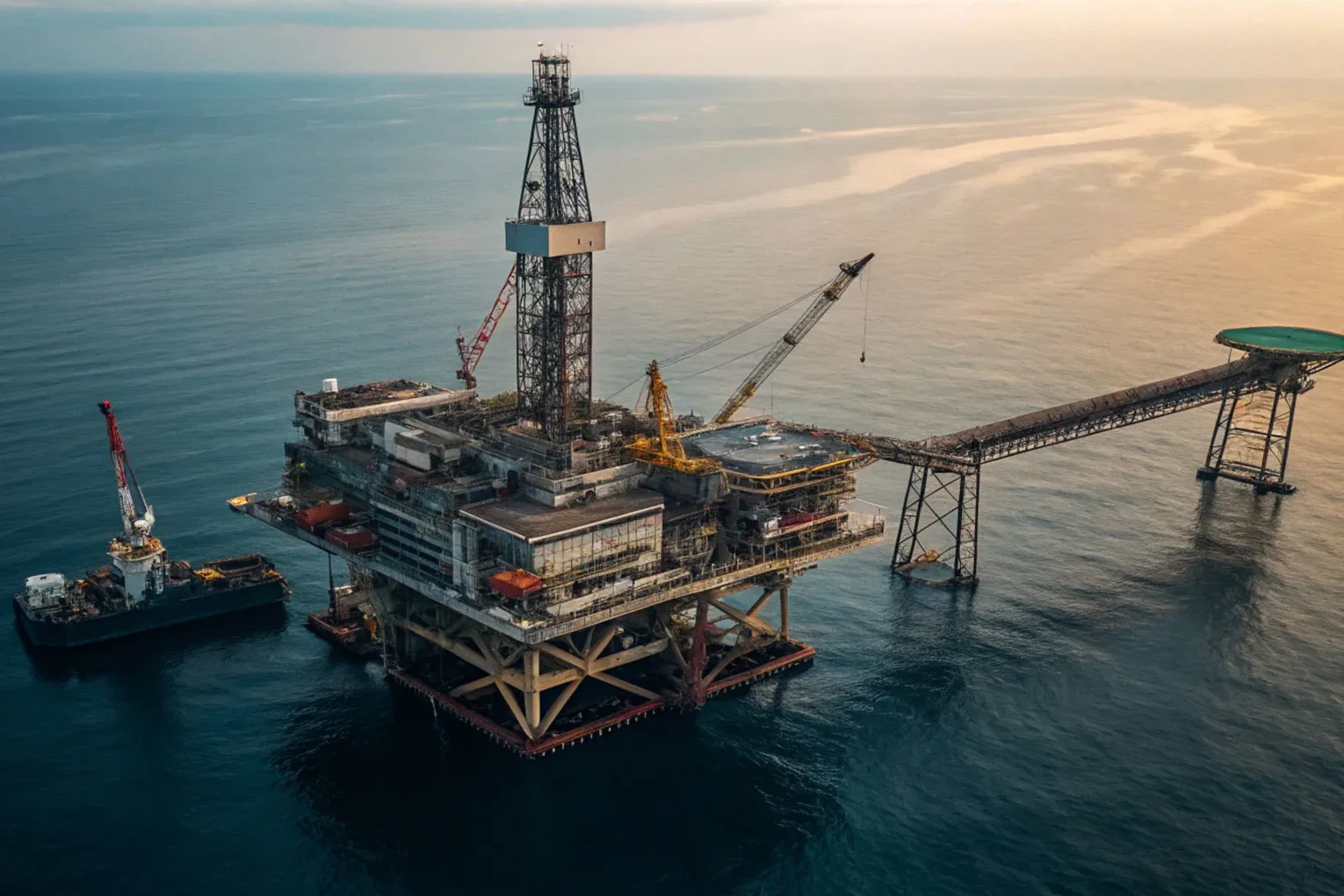
Fully Automated Placement: In offshore Guyana, companies like Halliburton and ExxonMobil have achieved the industry’s first fully automated geological well placement, combining rig automation with real-time subsurface interpretation.
Self-Calibrating Drill Bits: New bits equipped with smart sensors monitor wear in real-time and make autonomous adjustments, reducing “flat time” and extending tool life.
Digital Twins: Virtual replicas of drilling sites allow operators to simulate operations before execution, minimizing mechanical failures and optimizing trajectories in complex environments.
Advanced Recovery and Carbon Sequestration
Enhanced recovery is increasingly being paired with environmental sustainability through CO2-based methods.
CO2 Huff-n-Puff: Optimized CO2 injection processes have shown recovery factor increases of up to 28.3% in heavy oil reservoirs.
Carbon Storage Integration: These methods dual-function as carbon capture and storage (CCS) sites, where depleted reservoirs become permanent locations for CO2 sequestration.
Chemical Innovations: Nanotechnology-driven nanofluids and polymer flooding are improving sweep efficiency in heterogeneous reservoirs, particularly in major fields like China’s Daqing.
Performance and Economic Impact
The financial and operational outcomes of these “smart” exploration methods are measurable across the sector:
Technology Reported Performance Impact
- AI Reservoir Modeling 66% reduction in sample-processing time
- Automated Drilling 15% improvement in productivity over 2024 levels
- Predictive Maintenance Up to US$38M saved via lower equipment downtime
- MEOR Technology Sustainable gains in deep wells (>4km) with minimal surface impact.
As we move through 2026, these advancements ensure that aging assets remain profitable and that the energy transition remains grounded in high-efficiency, lower-impact extraction.