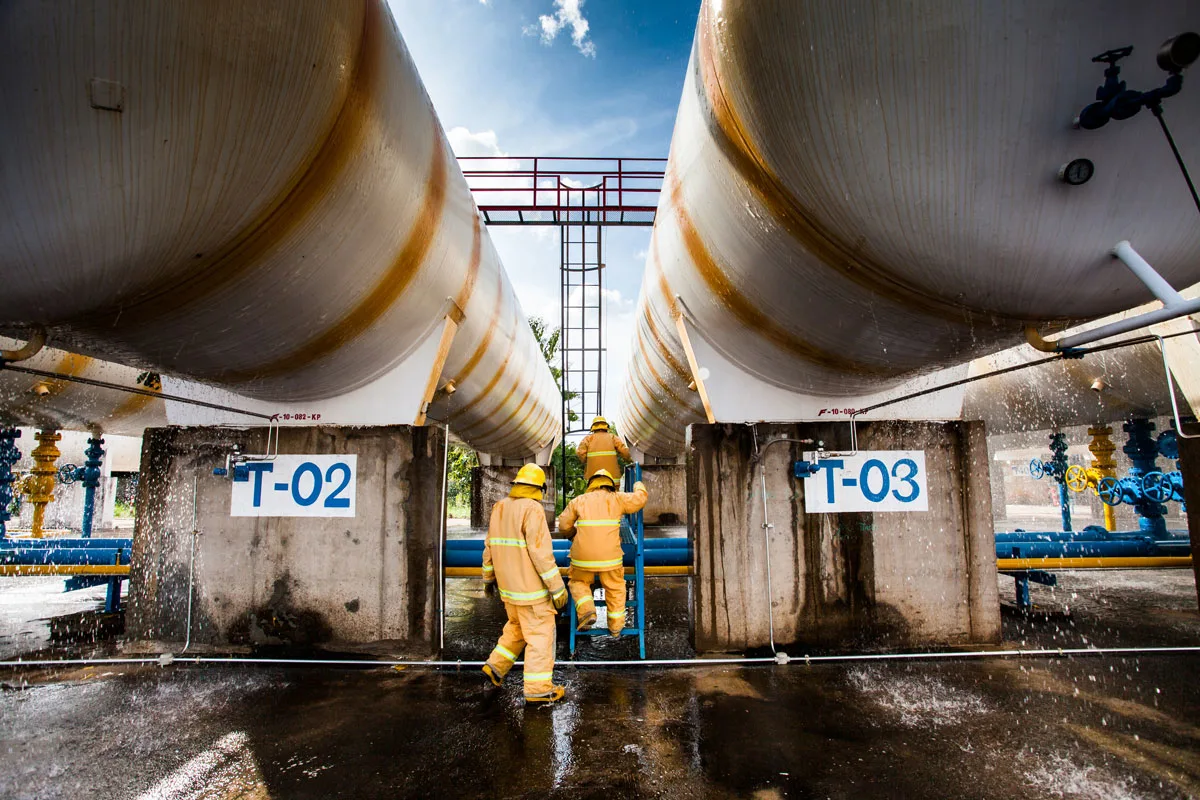
This rapid expansion is not just about energy transport; it is a primary catalyst for regional industrialization, providing the reliable energy flow required to power manufacturing hubs and stabilize local economies.
Strategic Infrastructure as an Industrial Multiplier
New pipeline projects act as “economic corridors” that unlock growth beyond the energy sector. By providing a continuous and cost-effective supply of hydrocarbons, these projects enable:
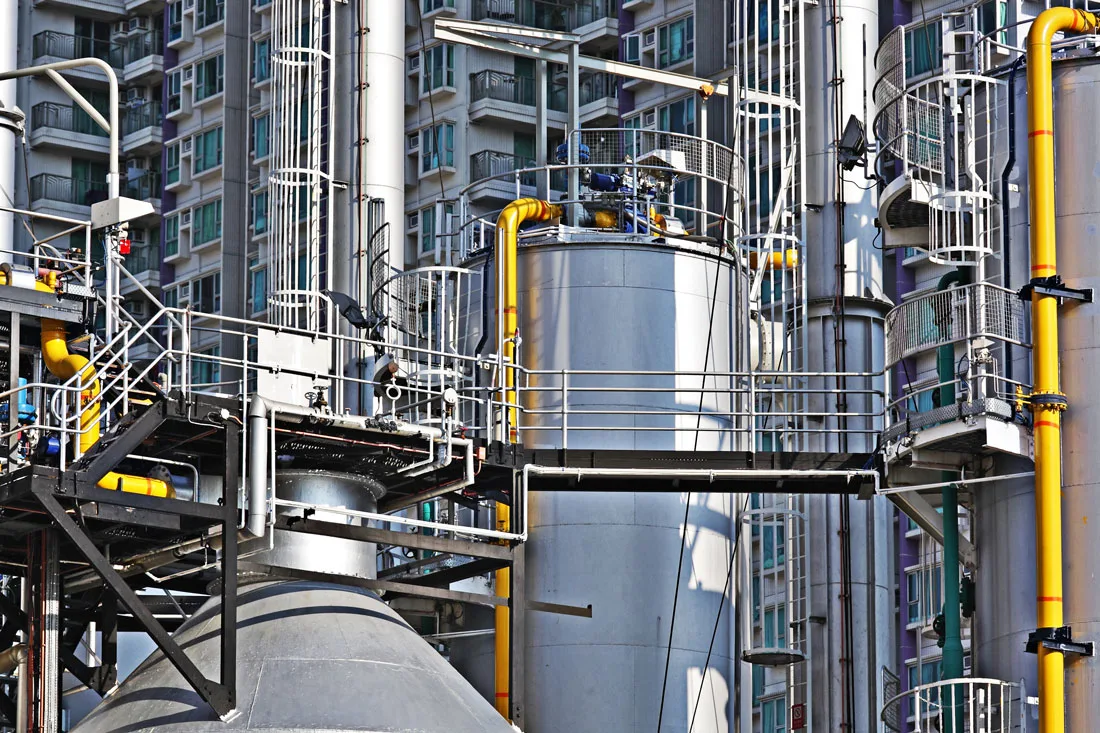
- Manufacturing Expansion: Refined fuels and natural gas are delivered directly to industrial facilities, supporting high-energy sectors like petrochemicals and heavy manufacturing.
- Cost Efficiency: Pipeline transport is up to 15 times less expensive than trucking or shipping. These savings allow regional industries to remain globally competitive.
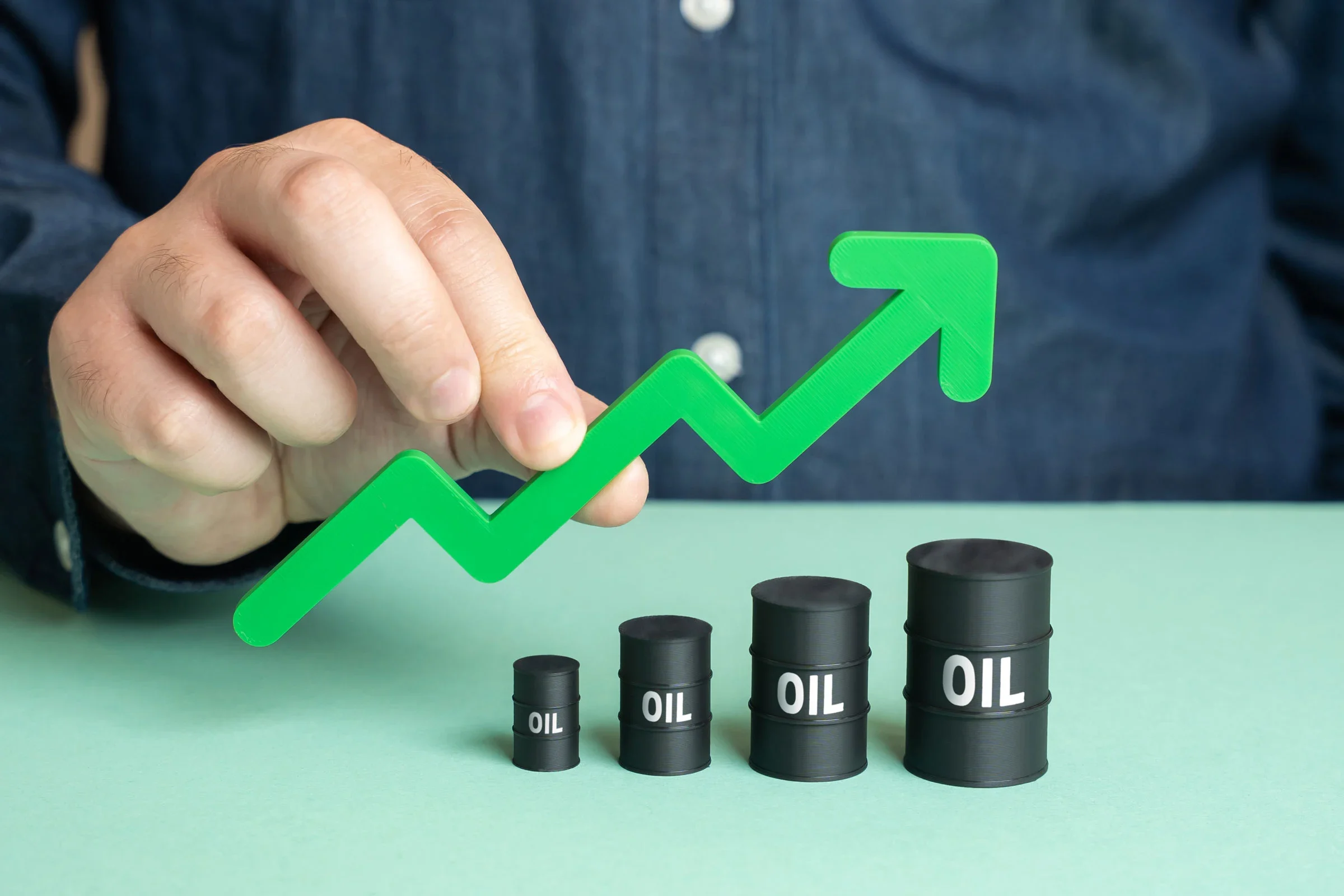
- Economic Stability: Increased pipeline capacity reduces industrial production volatility. Research indicates a 16% reduction in volatility persistence when pipeline infrastructure is expanded, leading to more resilient business cycles.
Key Regional Growth Drivers in 2026
Regional industrial growth is increasingly tied to specific large-scale pipeline developments:
- Africa: Flagship projects like the East African Crude Oil Pipeline (EACOP) and the Nigeria-Morocco Pipeline are designed to bridge the energy poverty gap for 600 million people while stimulating local content and ancillary infrastructure like roads and power lines.
- Asia-Pacific: Dominating the market in volume, countries like China and India are expanding networks to feed their burgeoning petrochemical sectors and meet soaring industrial energy demands.
- Middle East: Giants such as Saudi Aramco and QatarEnergy are modernizing existing routes and building new offshore systems, like the 500km North Field East pipeline, to boost export capacity and support domestic industrial parks.
Technological Acceleration and Efficiency
The “fast” pace of current industrial growth is heavily supported by digital integration:
- AI and Digital Twins: Real-time monitoring and predictive analytics prevent unplanned shutdowns, ensuring an uninterrupted energy supply for dependent factories.
- Advanced Materials: The use of high-strength steel (Grades X70 to X100) and modular designs allows for faster construction in challenging terrains, bringing industrial zones online sooner.
- Automation: Smart technologies reduce human error and operational costs, further lowering the barrier to entry for regional industrial participants.
While environmental and geopolitical challenges remain, the strategic expansion of pipeline networks continues to be the backbone of industrial progress, turning energy-rich reserves into localized economic powerhouses.